Alum Success Story: Evandra Catherine
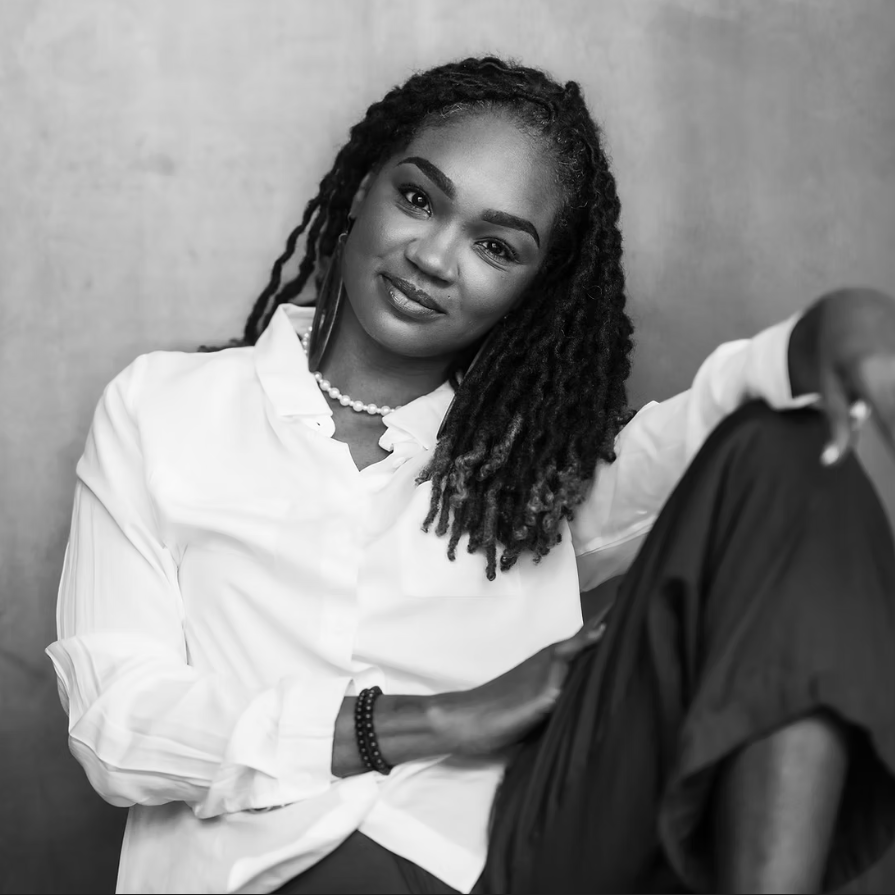
Name: Dr. Evandra Catherine
Degrees: BA in African American American Studies & Ph.D. in Special Education from Virginia Commonwealth University
Current role: Author, researcher, consultant, and infant and early childhood mental health specialist
Students should choose an AFAM major because it is human history. AFAM begins where life begins. It’s a forever toolbox for navigating life as a Black person or ally.
Why did you decide to pursue a BA in African American Studies?
Prior to pursuing my BA in AFAM, I had been a USAF member since I graduated high school. When I arrived to VCU I was already 23 years old. Despite my age I had no understanding of what it meant to be Black and what exactly racism was. That is the primary reason I pursued an AFAM degree. I knew that no matter what field I went into, I was drawn to helping Black people despite not even understanding what Black history was.
Also, I had just been released from a psychiatric ward 8 months before I got to VCU…meaning my mental health was lack of a better term, fragile. What I didn’t know is that I should have been pursuing the degree to begin the healing process for me and three plus generations before. Because that’s exactly what AFAM did for me.
What year did you graduate from VCU?
I graduated with my BA in 2008 and my PhD in 2019.
What have you done since graduating? What are some of the accomplishments that you are most proud of?
Its been 18 years since I’ve graduated and every year I’ve learned more and grown more spiritually. I’ve learned to lean into everything it means to be a descendant of Africans which has informed every decision I’ve made since graduating.
I’ve primarily stayed in the public servant role, running for state office in 2012, serving the residents of Richmond Virginia working in the CAO’s office in 2015, served as Director of Community Engagement for the AFAM Department in 2015, and in recent years a leading scholar and policy voice on the well being of young Black children and their families.
For the past 11 years I’ve been a leading voice in the birth to five field on the emotional well-being of young Black children and that relationship to breaking cycles of intergenerational trauma. I’ve worked with policy makers, systems leaders, and professionals in the field on reflecting on the experiences and histories of Black peoples and to recognize the anti-Blackness written into institutions and systems, and the harm of the entire system on Black peoples' wellbeing.
I’m most proud that AFAM gave me a voice and knowledge in all the spaces I’ve served.
What is the most valuable thing you learned while studying African American Studies, and how have you used it in your career or post-bachelor education?
The most valuable thing to learn was that there are centuries of strength and stories of African people that carry us every day. It is our role to always look backwards to move forward, Sankofa. Understanding the power in understanding is something only AFAM could have taught me. Because it’s understanding I lean into the most when turning the mirror on the institutions and systems today that remain anti-Black
AFAM also renewed my spiritual and mental health. Something I had completely lost just months prior to my first semester.
Why should students consider African American studies as a major?
Students should choose an AFAM major because it is human history. AFAM begins where life begins. It’s a forever toolbox for navigating life as a Black person or ally.