2026 Oscar Reviews: 'Sinners'
March 10, 2026
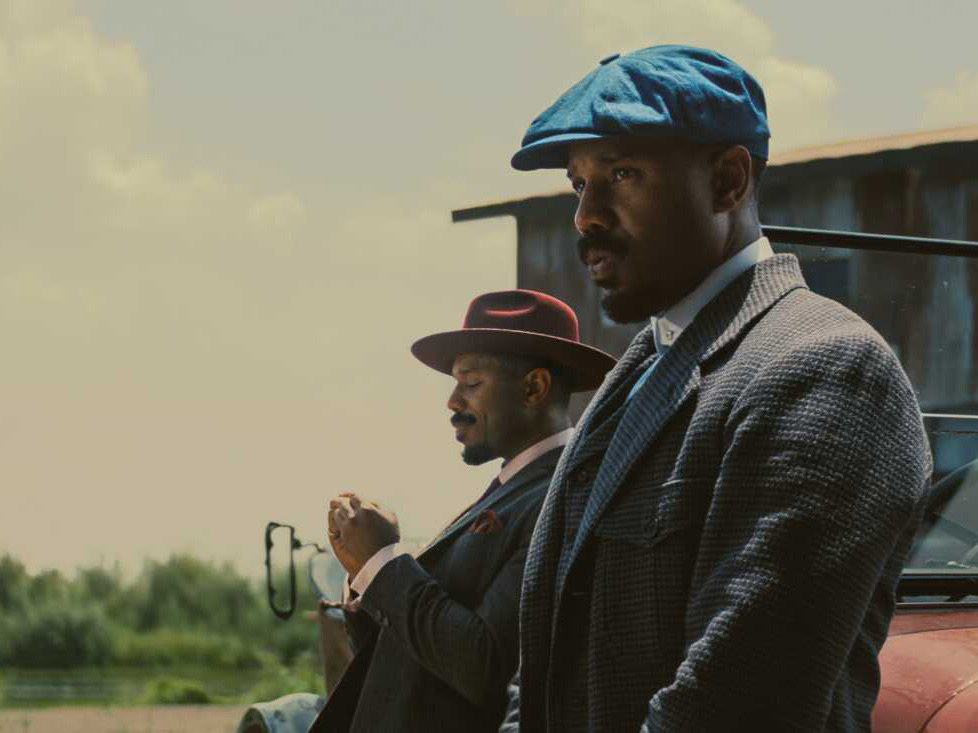
A large part of my 2025 revolved around acclaimed director Ryan Coogler’s film “Sinners.” Described by Coogler as a “genre-fluid” period thriller, “Sinners” is a masterclass in southern storytelling that gives life and soul to blues music while repurposing the vampire mythos as a visceral exploration of the Jim Crow South. As an American film rooted in southern traditions and diasporic foundations, “Sinners” is a classic history lesson in how you can tell a powerful story that also challenges the mainstay Hollywood orthodox. Set in 1932 Clarksdale, Mississippi, the film follows the “Smokestack Twins”—Smoke and Stack (both portrayed by Michael B. Jordan)—as they return back from Chicago to open a juke joint for the community. However, this return is not met with open arms as they encounter an Irish vampire Remmick who has other plans.
Although grounded in the supernatural and in the real terror of racial violence and economic exploitation, Coogler, along with a supporting cast, elevates the film to being more than just another jump scare flick. Moreover, “Sinners” confronts the lingering past, especially in this current political and cultural climate, while offering an invitation to a soothing remedy coated in the blues, beauty, and unapologetic Blackness. As a lush, haunting reclamation of Black life, “Sinners” masterfully captures Black love, religion and spirituality, and community as acts of survival and resistance, while also exploring how beauty—dark-skinned, full-figured, and unapologetically human—defies the narrow frames imposed by the world. Characters like Pearline (Jayme Lawson) and Annie (Wunmi Mosaku) stand at the heart of this 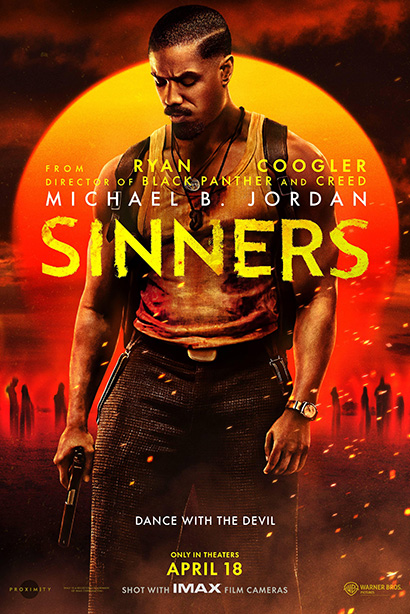 story: intelligent, dynamic women whose power and grace command every shadowed corner of the Delta.
In a time when Black culture and history are continually under threat of erasure, “Sinners” provokes, heals, and reimagines—offering a cinematic altar to what has always been beautiful, powerful, and profoundly alive. This is especially true in one poignant “time-leaping” musical sequence in the juke joint. As a visually stunning scene, Coogler and the production team created a defiant celebration of Blues, connecting ancestral African rhythms with modern hip-hop to illustrate a culture that emotes joy, while refusing to be silenced. And as with all of Coogler’s films, “Sinners” is well-researched not just in the script's content, but with the intentional color symbolism, the finite details of costuming, IMAX cinematography, and a set design that transforms you into the Mississippi Delta. All in all, viewers get a Mississippi gumbo mix of musical history, lessons in Hoodoo and Conjure, along with a commentary on the pursuit of freedom. As so eloquently noted by a grown Sammie (played by real life Blues pioneer Buddy Guy) in one of the post-credit scenes, “Before the sun went down, I think that was the best day of my life.” My sentiments exactly after one of my many memorable viewings.
– Grace D. Gipson, Ph.D., assistant professor in the Department of African American Studies, College of Humanities and Sciences